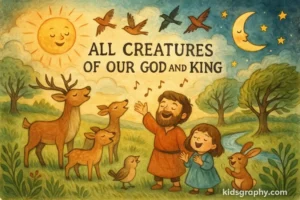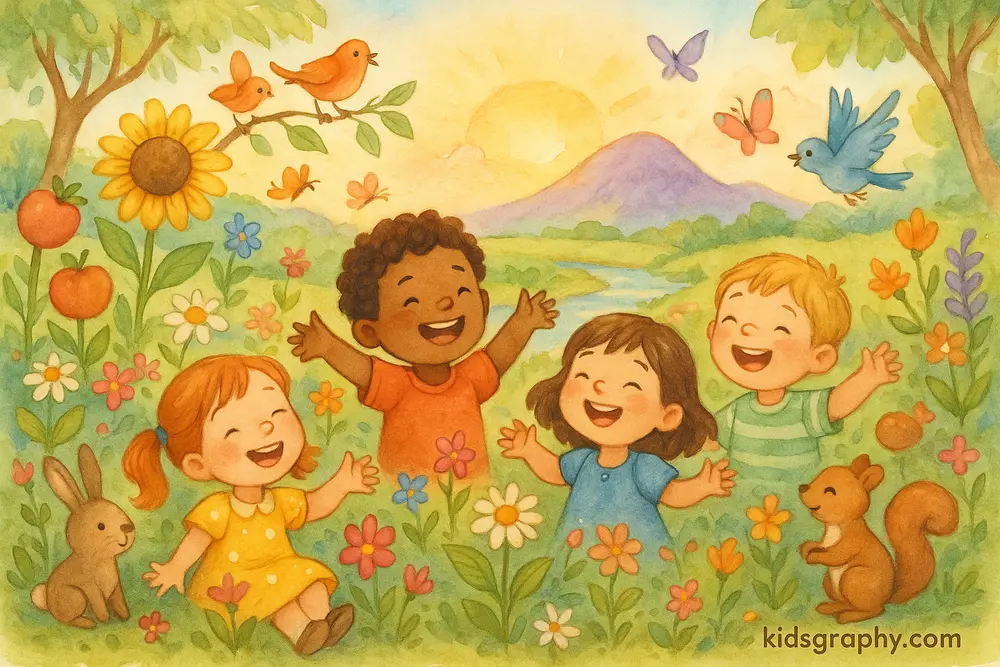
The hymn’s lyrics paint a vivid picture of God’s creation, inviting all to praise the Creator for the beauty of the world. Below are the complete lyrics, as commonly sung:
Refrain
All things bright and beautiful,
All creatures great and small,
All things wise and wonderful,
The Lord God made them all.
Verse 1
Each little flower that opens,
Each little bird that sings,
He made their glowing colors,
He made their tiny wings.
Verse 2
The rich man in his castle,
The poor man at his gate,
God made them, high or lowly,
And ordered their estate.
Verse 3
The purple-headed mountain,
The river running by,
The sunset, and the morning,
That brightens up the sky.
Verse 4
The cold wind in the winter,
The pleasant summer sun,
The ripe fruits in the garden,
He made them every one.
Verse 5
He gave us eyes to see them,
And lips that we might tell,
How great is God Almighty,
Who has made all things well.
These lyrics inspire gratitude and awe for God’s handiwork, making the hymn accessible and meaningful for all ages.
Line-by-Line Meaning “All Things Bright and Beautiful”
“All things bright and beautiful,/All creatures great and small,”
These opening lines are a joyful declaration that everything in the natural world—from the bright skies to the smallest creature—is a reflection of God’s creative goodness and love. It invites both children and adults to admire, respect, and give thanks for all of God’s creation.
“All things wise and wonderful,/The Lord God made them all.”
Everything in the world — from the stunning to the smart, from the beautiful to the brilliant — was made by God’s hands. It’s a celebration of God as the wise and wonderful Creator, who has made a world full of purpose, design, and joy.
“Each little flower that opens,/Each little bird that sings,”
Every flower that blooms and every bird that sings is a small but wonderful reminder of God’s loving creativity. These lines encourage us to look closely at the world and see God’s hand in even the simplest things.
“He made their glowing colors,/He made their tiny wings.”
God designed every bright color and tiny wing with love and wisdom. These lines celebrate His role as the divine artist and tender Creator, who fills the world with small wonders that bring joy to our hearts.
“The rich man in his castle,/The poor man at his gate,”
This verse acknowledges the existence of both rich and poor, but it’s best understood today as a reminder that God values all people equally, regardless of their social or economic status. Every life matters to Him.
“God made them, high or lowly,/And ordered their estate.”
God made every person, rich or poor, powerful or humble. While we all live in different situations, we are equally loved and valued by Him, and called to treat one another with dignity and kindness.
“The purple-headed mountain,/The river running by,”
From the towering, purple-tinged mountains to the rivers that gently flow, God created the beauty and power in nature, reminding us of His greatness and care for the world.
“The sunset, and the morning,/That brightens up the sky.”
The rising sun and glowing sunset remind us every day of God’s light, beauty, and faithfulness. From dawn to dusk, creation speaks of His glory.
“The cold wind in the winter,/The pleasant summer sun,”
God created both the chilly winds of winter and the warm rays of summer. Each season, with its unique feeling and purpose, reflects His wisdom and care for creation.
“The ripe fruits in the garden,/He made them every one.”
Every fruit in the garden—ripe, sweet, and nourishing—is part of God’s thoughtful creation. He made them all, and each one reflects His goodness and care.
“He gave us eyes to see them,/And lips that we might tell,”
God gave us eyes to notice the beauty of His creation, and voices to praise Him for it. We’re meant to respond to what we see not with silence, but with joyful thanks and spoken worship.
“How great is God Almighty,/Who has made all things well.”
God is truly great and powerful, and His creation reflects that greatness. Everything He made is good, purposeful, and beautiful, showing us His love, wisdom, and glory.
Author: Cecil Frances Alexander (1818–1895)
- Background & Career
- Born April 1818 in Dublin, Anglo‑Irish poet and hymnwriter
- Authored nearly 400 hymns, often aimed at children, and actively involved in charitable work—founding a school for the deaf and supporting the poor
- About the Hymn
- “All Things Bright and Beautiful” was first published in her 1848 collection Hymns for Little Children, intended to teach the Apostles’ Creed to young readers
- The lyrics highlight God’s creative work in nature—“creatures great and small”—celebrating the beauty of the natural world .
Common Tune: “All Things Bright and Beautiful” by William Henry Monk (1823–1889)
- About the Melody
- Composed by William Henry Monk in 1887, the tune has become the standard musical setting for the hymn
- Monk was a prominent English church musician and organist, renowned for many hymn tunes including this one .
✅ Summary Table
| Aspect | Details |
|---|---|
| Author | Cecil Frances Alexander (1818–1895) — Irish hymnwriter, poet |
| Born / Died | April 1818, Dublin — 12 October 1895, Derry |
| Hymn First Published | Hymns for Little Children, 1848 |
| Theme | Celebrates God’s creative work—nature’s beauty and diversity |
| Tune | “All Things Bright and Beautiful” by William Henry Monk, 1887 |
The Spiritual Significance of the Hymn
“All Things Bright and Beautiful” reflects the biblical truth that God created all things and declared them good (Genesis 1:31). Its verses celebrate the diversity of creation—from flowers and birds to mountains and seasons—while pointing to God’s sovereignty and care. The hymn’s refrain reinforces the message that every aspect of creation, great or small, reflects God’s wisdom and love.
Often used in children’s ministries due to its simple language, the hymn also resonates with adults, encouraging a childlike wonder and gratitude for God’s world. It’s a reminder to steward creation responsibly and to praise God for His provision and artistry.
Ways to Incorporate This Hymn in Worship
- Church Services: Sing the hymn during creation-themed services, harvest festivals, or general worship.
- Children’s Ministry: Use it in Sunday school or vacation Bible school to teach kids about God’s creation.
- Modern Arrangements: Adapt the hymn for guitar or piano for contemporary worship settings.
- Personal Reflection: Meditate on the lyrics to cultivate gratitude for the beauty of the natural world.
More Lyrics: All Things Bright and Beautiful | Hymnary.org
FAQs on “All Things Bright and Beautiful”:
The hymn was written by Cecil Frances Alexander in 1848 as part of her book Hymns for Little Children.
The hymn celebrates God’s creation—from tiny birds and flowers to mountains and seasons—teaching that everything is made by God and is good.
The verse about the rich man in his castle and the poor man at his gate is often excluded today due to its outdated view on social class.
Verses like Genesis 1:31, Psalm 104:24, and Matthew 6:28–29 support the hymn’s themes of creation, beauty, and God’s care.
Originally written for children, the hymn’s simple language and joyful tone make it beloved by all ages in both churches and schools.
Read More: Alas and Did My Savior Bleed Lyrics