In the world of Greek mythology, few gods shine as brightly as Apollo. Known for his golden hair, glowing chariot, and beautiful voice, Apollo is the god of light, music, healing, prophecy, and the sun. He is a god of great talent and power, yet also a figure of emotion and tragedy.
So, who is Apollo in Greek mythology? Let’s explore the stories, symbols, and cultural impact of this iconic Olympian.
Read More: Hera in Greek Mythology: Queen of the Gods
Birth of Apollo: Son of Zeus and Leto
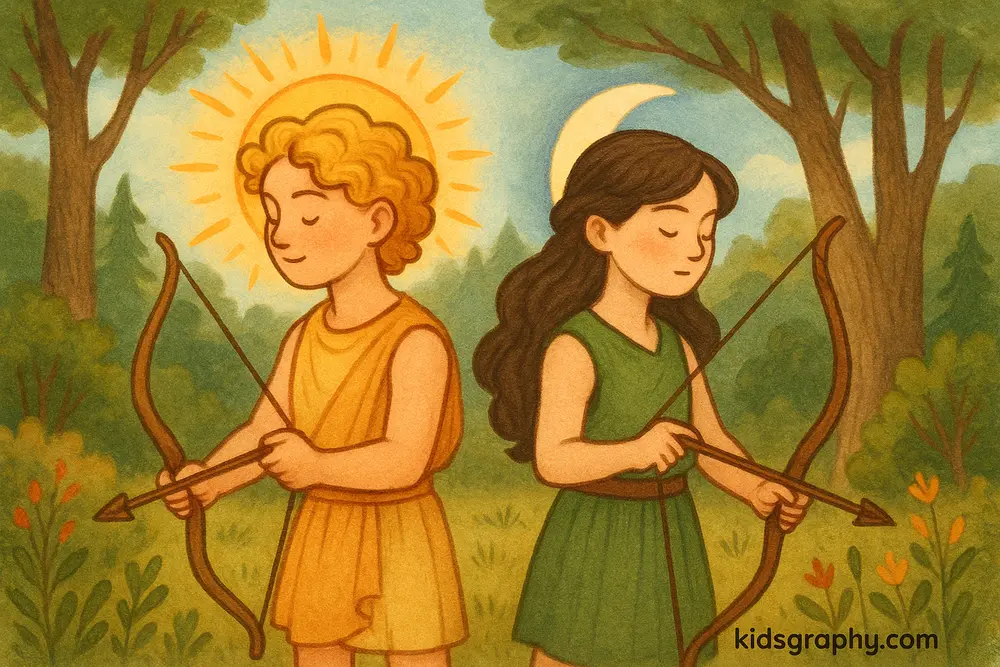
Apollo was the son of Zeus, the king of the gods, and Leto, a gentle Titaness. His twin sister is Artemis, goddess of the moon and the hunt. Their birth was not easy—Hera, Zeus’s wife, was jealous and tried to stop Leto from giving birth.
Leto finally found refuge on the island of Delos, where she gave birth to Artemis first, then Apollo. From the moment he was born, Apollo shone with divine light.
Apollo’s Powers and Domains
Apollo ruled over many things. Unlike some gods who controlled one area, Apollo had many talents:
- Light and the Sun – He drove the chariot of the sun across the sky.
- Music and Poetry – He played the lyre, a golden harp, and led the Muses.
- Healing and Plague – He could heal sickness—or bring it with his arrows.
- Prophecy – He was the god of truth and spoke through oracles.
- Archery and Youth – Like Artemis, he was a master archer and stayed forever young.
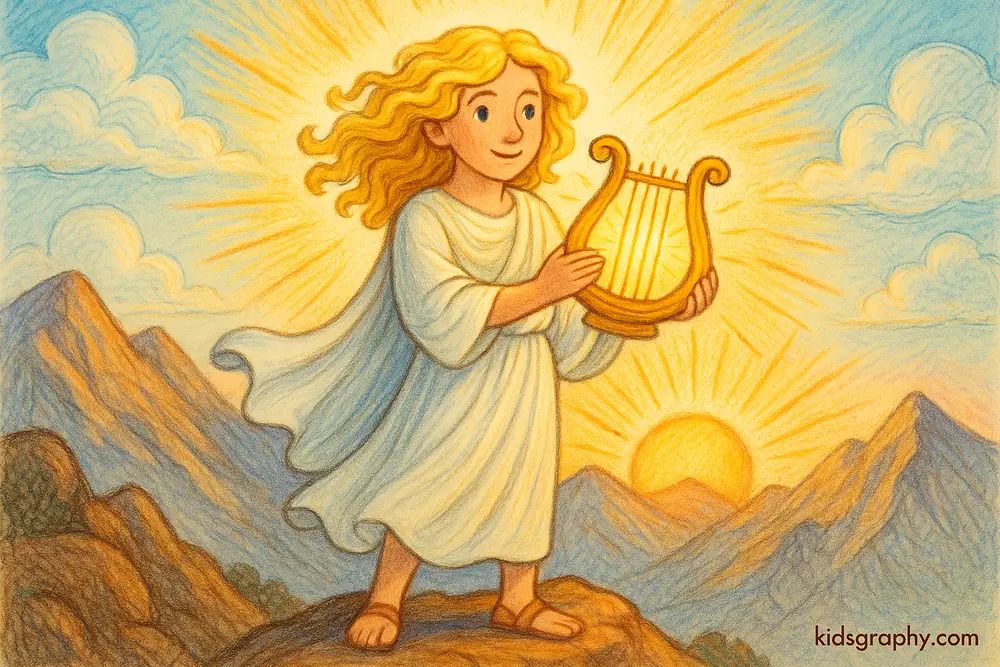
The Apollo represents balance—between beauty and power, light and shadow.
Apollo and the Oracle of Delphi
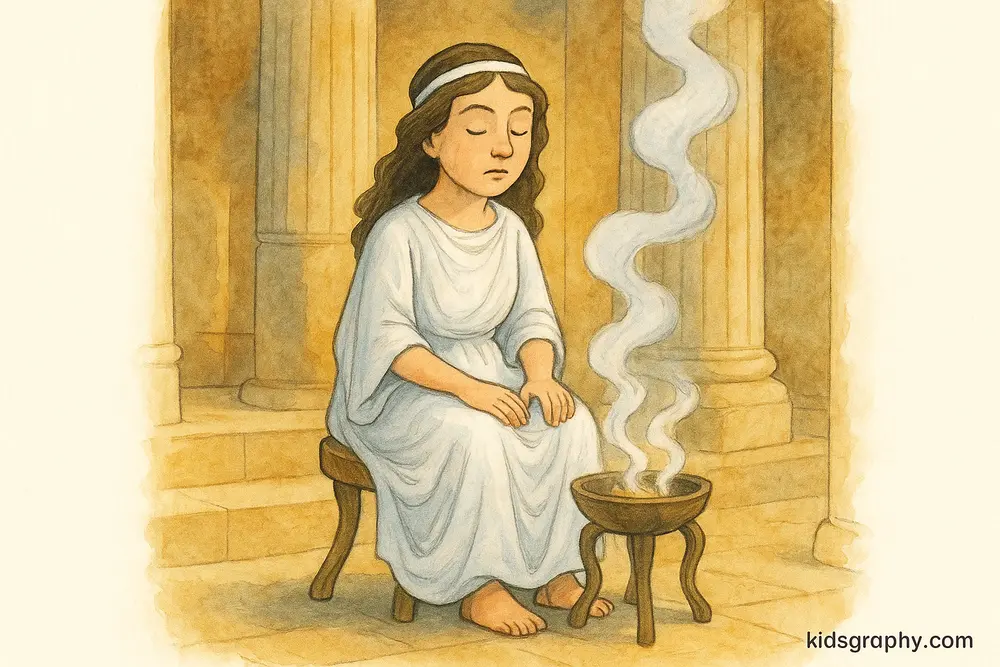
One of Apollo’s most famous stories is about the Oracle at Delphi. Apollo killed the serpent Python, which guarded the site, and took it over as his own sacred temple.
There, the Pythia, a female priestess, would enter a trance and speak Apollo’s prophecies. Kings and heroes came from all over Greece to ask for his guidance.
Apollo’s oracle became the most trusted source of truth in the ancient world.
Read More: Cronus in Greek Mythology: Titan of Time and Power
Apollo and Artemis: The Divine Twins
Apollo and his sister Artemis were deeply close. Together, they represented the balance between opposites:
- Apollo ruled the sun, day, music, and logic.
- Artemis ruled the moon, night, wilderness, and instinct.
In some versions of myth, they are linked to Orthia, a goddess connected with the wild and young warriors. Apollo and Artemis Orthia were sometimes worshipped together in Sparta, where youth were tested in strength and obedience.
Famous Myths Featuring Apollo
Apollo appears in many Greek myths. Some of the most well-known include:
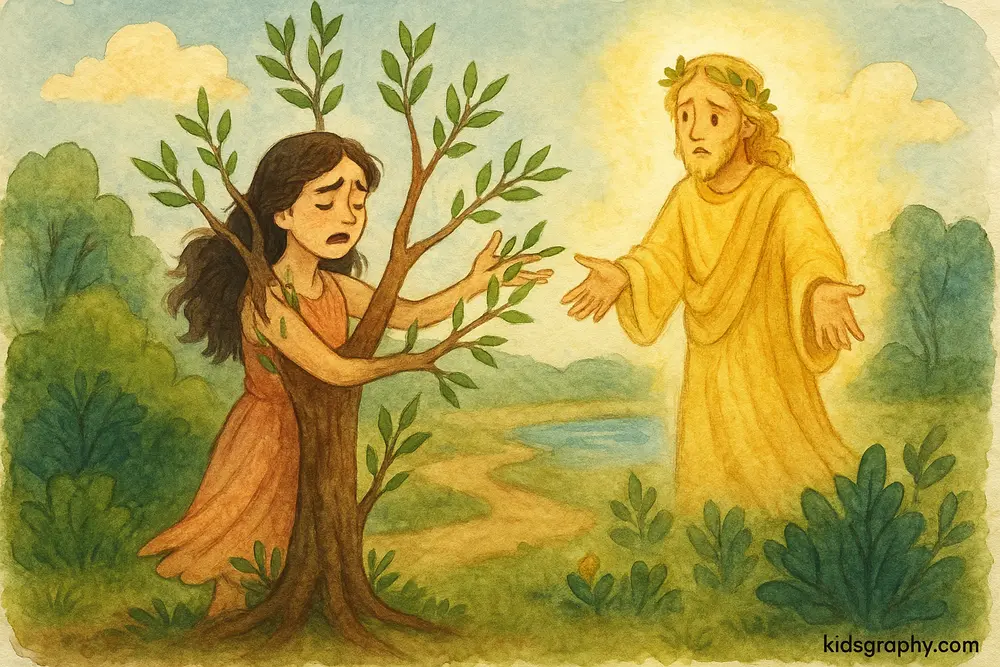
- Apollo and Daphne – He falls in love with the nymph Daphne, but she turns into a tree to escape him.
- Apollo and Hyacinthus – His lover is accidentally killed during a game, and Apollo creates the hyacinth flower in his memory.
- Apollo and Marsyas – A musical duel ends with Apollo punishing Marsyas for challenging the gods.
- Apollo and Asclepius – He fathers Asclepius, the god of healing, teaching him the art of medicine.
Apollo is often a tragic figure—full of emotion, creativity, and deep love.
Read More: Chaos in Greek Mythology: The First Being of Creation
Apollo in Modern Culture
Apollo’s image lives on in modern books, films, and even video games. From school lessons to pop songs, he remains a symbol of beauty, wisdom, and truth.
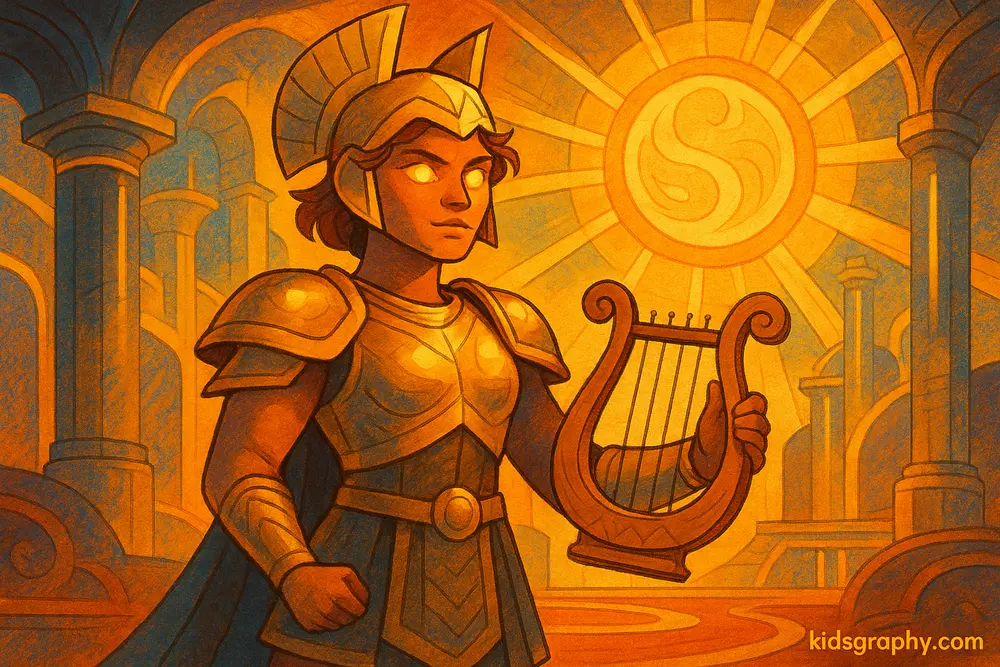
In some newer creative works, artists and filmmakers are reimagining Apollo’s character—for example, stories inspired by Black Athena or retellings featuring a female Apollo to explore gender, culture, and history in fresh ways.
These interpretations show that Apollo’s story is still alive, and evolving with the times.
Read More: Titans in Greek Mythology: Gods Before Olympus
Apollo: Balance Between Light and Shadow
While Apollo is known as a god of the sun, his myths often deal with loss, warning, or heartbreak. He teaches us that even the brightest light casts shadows.
Apollo’s wisdom and talents made him loved across the Greek world. He could heal or hurt, guide or test—but always in pursuit of truth and balance.
More Stories: Greek Mythology
FAQ: Apollo in Greek Mythology
Apollo is the Olympian god of the sun, music, prophecy, healing, and truth. He is the son of Zeus and Leto, and the twin of Artemis.
Apollo’s key symbols include the lyre, laurel wreath, sun chariot, bow and arrows, and the Python serpent he defeated at Delphi.
Apollo could predict the future, heal illnesses, spread plagues, inspire music and poetry, and control sunlight and order.
It was Apollo’s sacred temple where a priestess, called the Pythia, gave prophetic messages believed to come from Apollo himself.
Yes. Apollo appears in books, films, video games, and even modern art. His image continues to inspire stories of light, balance, and truth.
Read More: Typhon in Greek Mythology: The Father of Monsters