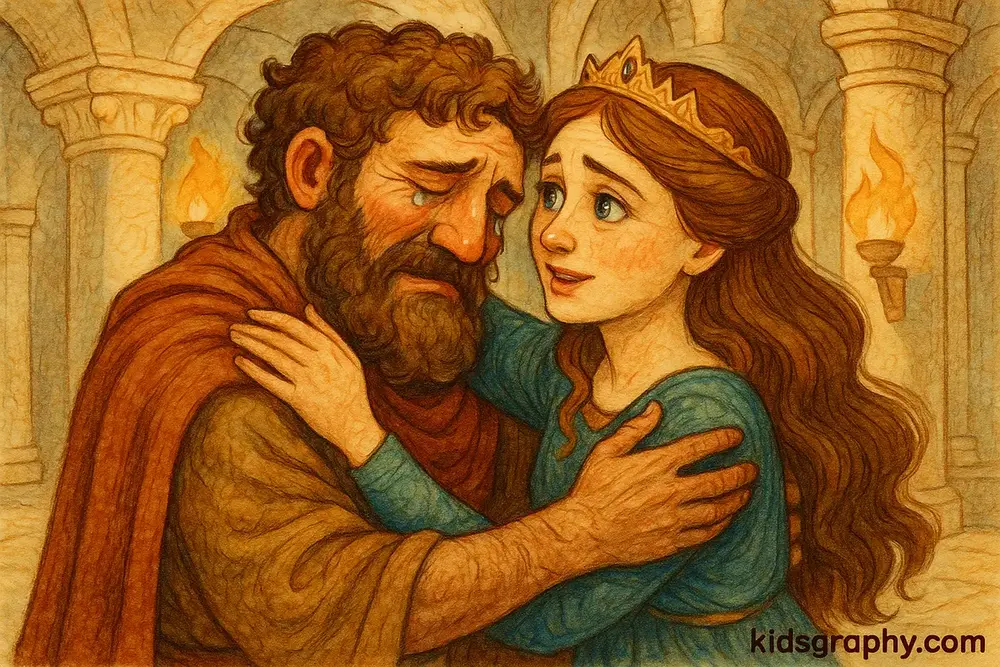
In the vast world of Greek mythology, there are goddesses, warriors, and monsters—but there are also quiet heroes whose strength lies in patience and loyalty. One of the most admired of these is Penelope, the faithful wife of Odysseus.
Her story is not one of battle or magic, but of waiting. She is remembered for her love, intelligence, and strong will, proving that true power can also be gentle and steady.
Who Is Penelope in Greek Mythology?
Penelope is best known as the wife of Odysseus, the clever hero of Homer’s Odyssey. She is the Queen of Ithaca, a small but proud island kingdom. When Odysseus left to fight in the Trojan War, Penelope stayed behind to raise their son and rule in his place.
But the war lasted ten years—and Odysseus’s journey home took ten more. For twenty years, Penelope lived with no word of her husband. Many believed he was dead. But Penelope never gave up hope.
Penelope’s Son: Telemachus
Penelope and Odysseus had one son: Telemachus. Born shortly before the war, Telemachus grew up without a father. Still, Penelope raised him with strength and grace.
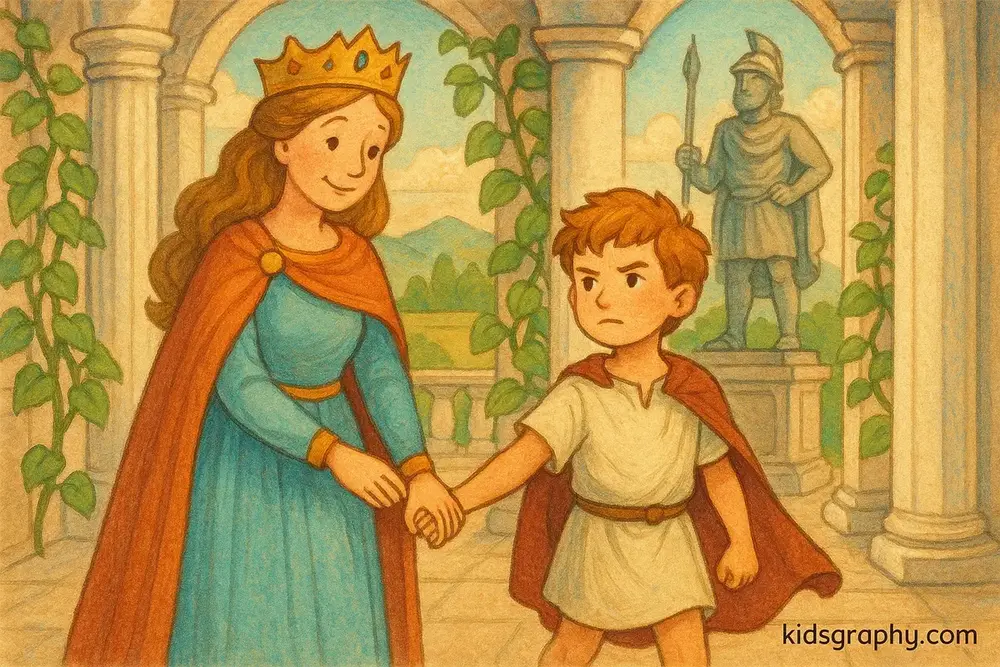
When Telemachus became a young man, he set out on a journey of his own to search for news of his father. This quest is told in the early chapters of the Odyssey, where his bravery echoes the loyalty he learned from his mother.
A Queen Among Suitors
As years passed, many men came to Penelope’s court, urging her to marry again. They wanted her wealth, her throne, and her name. These men—known as the suitors—filled her halls and ate her food, pressuring her daily. But Penelope had a plan.
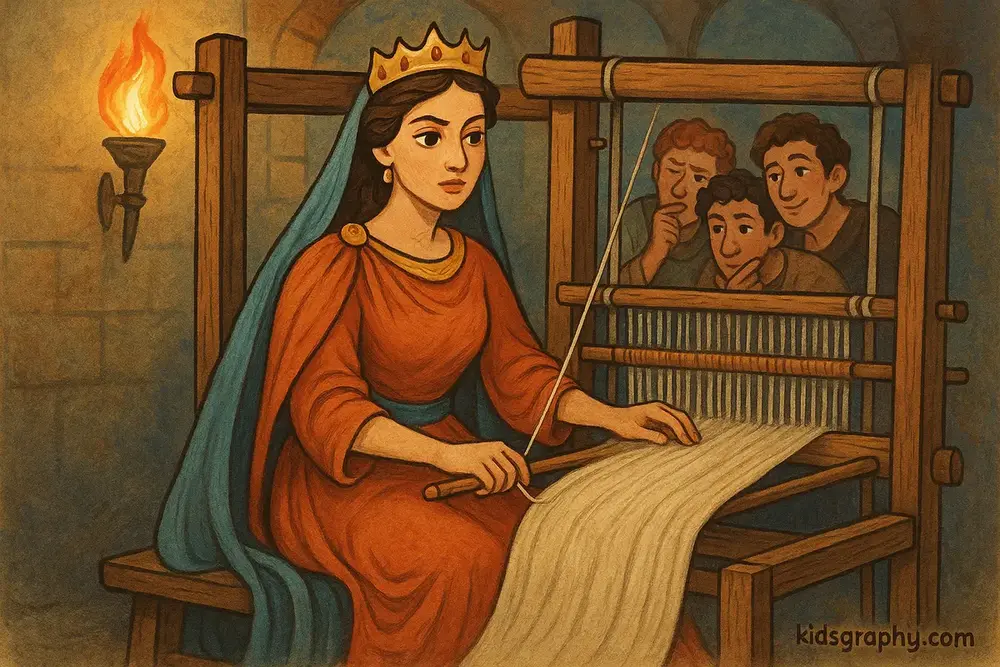
She promised to choose a new husband after she finished weaving a funeral shroud for her father-in-law. Each day, she wove it. Each night, she unwove her work, keeping the promise from ever being fulfilled.
This trick kept the suitors waiting for three full years. Penelope’s cleverness showed she was not just faithful, but also wise and strategic—qualities often overlooked in mythic queens.
The Return of Odysseus
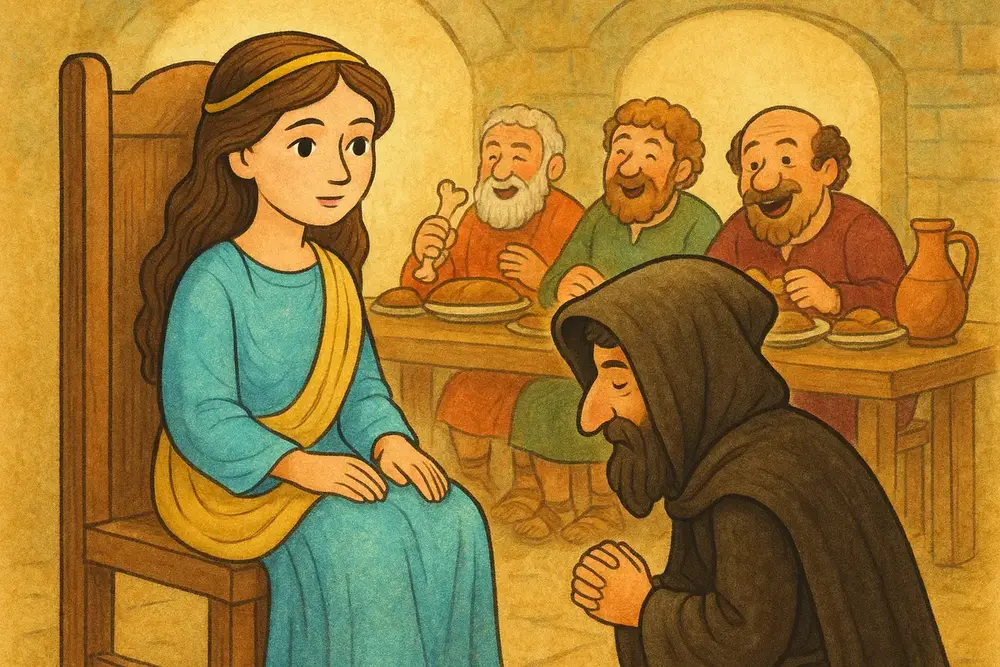
At last, Odysseus returned—disguised as a beggar. He saw the suitors in his home and devised a plan. Penelope, sensing something strange, proposed a challenge: whoever could string Odysseus’s great bow and shoot an arrow through twelve axe heads would win her hand.
Only one man could do it—Odysseus himself. When he revealed his true identity, the suitors were defeated. He and She were finally reunited after twenty long years.
What Did Penelope Look Like?
Many people on forums and sites like Reddit wonder: “What did Penelope look like in Greek mythology?”
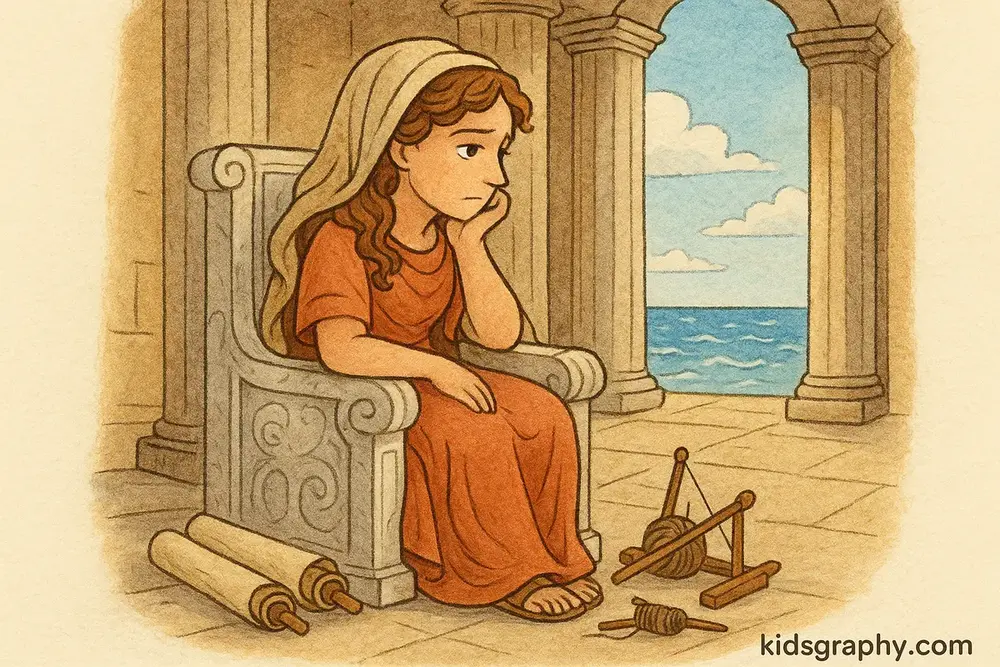
The truth is, ancient texts don’t say much about her appearance. Homer praises her for her grace and dignity, not for beauty alone. She is often shown in art wearing a long veil, symbolizing modesty and honor.
While some modern fan art or fantasy stories imagine her differently, her true power lies in who she was, not just how she looked.
Penelope’s Height?
You might wonder: “What was Penelope’s height in Greek mythology?”
Ancient myths almost never mention height or exact measurements. Characters like Penelope are described more by their values than their physical traits. If anything, she stands tall in reputation, not inches.
Was Penelope Originally a Different Character?
Some modern researchers and myth theorists ask: “Was Penelope originally s/a in Greek mythology?”
This refers to rare alternate myths where her character was portrayed in a more symbolic or sexualized way. These versions are not from Homer’s epics, but from later interpretations, often with controversial spins.
In the traditional Greek mythology, Penelope is shown as a model of loyalty and virtue. Her myth has lasted for thousands of years because it celebrates patience, trust, and cleverness—not scandal.
Why Penelope’s Story Still Matters
In a world of loud battles and heroic deeds, Penelope’s story whispers a different kind of strength. She waited, hoped, and ruled with wisdom. She raised a son, outwitted her enemies, and never gave up on love.
Her myth reminds us that heroes don’t always carry swords—sometimes they carry faith.
And through storms, silence, and sorrow, Penelope never forgot who she was.
More Stories:
FAQ: Penelope in Greek Mythology
Penelope is the faithful wife of Odysseus and queen of Ithaca. She’s known for her loyalty and cleverness during his 20-year absence.
Penelope’s son is Telemachus. She raised him alone while Odysseus was away, and he later searched for news of his father in The Odyssey.
No, Penelope never remarried. She tricked her suitors by weaving and secretly undoing a shroud, delaying her decision until Odysseus returned.
Penelope is most famous for her patience, intelligence, and loyalty, especially her strategy with the loom and her reunion with Odysseus.
Ancient texts focus on her grace and character more than her looks. She’s often described as noble, modest, and wise.
Read More: