I. Introduction
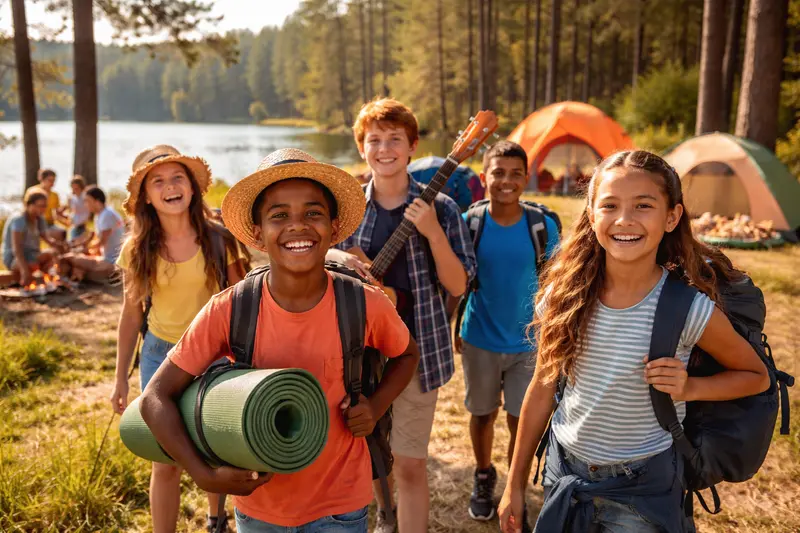
Youth camps have long been a staple of summer vacations, allowing children and teens to explore the outdoors, make new friends, and develop valuable life skills. These camps are designed to provide a well-rounded experience through various activities catering to different interests and age groups.
From thrilling outdoor adventures to creative arts and social programs, youth camps offer something for everyone. This article explores the most common types of activities that campers can expect, showcasing the wide-ranging benefits of camp experiences.
II. Activity Categories
Outdoor and Wilderness Activities
Outdoor activities form the heart of most youth camp programs, offering campers a chance to experience the wonders of nature while engaging in thrilling and enriching adventures. From hiking scenic trails and navigating through dense forests to canoeing across serene lakes, these activities immerse campers in the great outdoors. Rock climbing and high ropes courses add an element of excitement and challenge, encouraging participants to push their limits, overcome fears, and build confidence. In addition to improving physical fitness, outdoor activities teach essential life skills such as problem-solving, resilience, and teamwork. The immersive experience of exploring nature fosters a deeper appreciation for the environment and creates lasting memories many campers cherish forever.
Sports and Physical Games
Sports play a central role in the youth camp experience, particularly at a summer camp for boys, allowing campers to stay active, develop physical skills, and enjoy friendly competition. Traditional sports like soccer, basketball, and volleyball are often part of the program, offering familiar and engaging activities that promote teamwork and coordination. Beyond these, many camps incorporate unique games or challenges that reflect their traditions and values, ensuring a diverse and inclusive environment for all participants. These activities help campers build strength and stamina and foster perseverance, leadership, and camaraderie. For many campers, the bonds formed on the field or court become some of the most meaningful connections of their camp experience, making sports a memorable and impactful part of their time away.
III. Creative Arts and Expression
Arts and Crafts
Youth camps often incorporate arts and crafts to inspire creativity and self-expression. Campers can engage in painting, pottery, tie-dyeing, and jewelry making, exploring different techniques and materials. These hands-on projects encourage imagination and provide campers with tangible keepsakes to remember their experiences, fostering a sense of pride in their creations. Additionally, arts and crafts sessions often serve as a relaxing break from physically demanding activities, allowing campers to unwind and focus on personal expression. Group projects also create opportunities for collaboration, helping campers build friendships and learn to appreciate diverse perspectives in creative work.
Performing Arts
For those who love the spotlight, camps frequently offer opportunities to participate in performing arts. Activities like theater productions, music sessions, dance classes, and talent shows allow campers to showcase their skills and build confidence in front of an audience. These programs often include workshops or rehearsals where campers can hone their talents under the guidance of experienced instructors. Performing arts also teach valuable skills such as public speaking, teamwork, and stage presence, which benefit campers beyond the camp experience. Whether it’s a solo performance or a group act, being part of a creative production fosters a sense of accomplishment and excitement, leaving campers with unforgettable memories of their time in the spotlight.
IV. Water-Based Activities
Many youth camps near lakes, rivers, or pools create a perfect setting for water-based fun. Activities like swimming, canoeing, kayaking, and paddleboarding are popular staples, offering campers the chance to improve physical coordination while learning essential water safety skills. These activities provide exciting exploration opportunities, encourage teamwork, and foster a love for aquatic environments.
For those seeking even more adventure, camps often include thrilling options like water slides, tubing, or group water games that bring campers together for shared laughter and excitement. Activities such as fishing or introductory scuba diving offer unique challenges, allowing campers to explore the underwater world and develop new skills. These water-based programs ensure campers enjoy relaxation and exhilaration, making the most of their summer experience.
V. Social and Team-Building Activities
Evening Programs and Group Events
Evening programs are a staple of youth camps designed to foster camaraderie and create shared memories. Traditional activities such as campfires, talent shows, scavenger hunts, and themed dances bring campers together in a fun and relaxed atmosphere. These events provide opportunities for bonding and encourage inclusivity among participants.
Leadership and Team Challenges
Camps often incorporate structured team-building exercises to develop leadership and cooperation skills. Activities such as obstacle courses, trust exercises, and group problem-solving games help campers learn to work together, communicate effectively, and overcome challenges as a team. These experiences build confidence and promote a sense of accomplishment.
VI. Specialty Programs and Unique Experiences
Adventure Trips
Many camps offer off-site trips for older campers, such as hiking expeditions, overnight camping trips, or white-water rafting adventures. These outings provide an opportunity for campers to experience nature more profoundly and develop a sense of independence and resilience.
Personalized or Specialized Programs
Some youth camps cater to specific interests, offering specialized programs in areas like technology, science, equestrian activities, or culinary arts. These options allow campers to dive into subjects they’re passionate about while still enjoying the broader camp experience.
VII. Age-Specific Programming
Activities for Younger Campers
For younger campers, activities are often designed to emphasize fun, creativity, and exploration. Programs might include simple arts and crafts, nature walks, beginner-level sports, and interactive games. These activities help build confidence and introduce children to the joys of group participation in a safe and supportive environment.
Activities for Preteens and Teens
Older campers often have access to more challenging and socially focused activities. Preteens enjoy a balance of creative, physical, and team-oriented programs. At the same time, teens may take on leadership roles, engage in more advanced sports, or participate in exclusive events like overnight trips and socials. These age-appropriate offerings help campers develop independence, responsibility, and deeper social connections.
VIII. Invest in a Transformative Camp Experience
Youth camps provide various activities, from outdoor adventures and creative arts to sports, water-based fun, and leadership programs, catering to the diverse interests and developmental needs of children and teens. These programs create cherished memories and help campers develop life skills, build lasting friendships, and grow as individuals. Whether your child is an adventurer, artist, or simply eager to try new things, youth camps offer the ideal environment for exploration, growth, and personal development in a supportive and exciting setting.