Teaching children to be thankful doesn’t have to mean lectures about manners. The best way to build gratitude is through small, fun, everyday habits. These 20 gratitude activities for kids are easy to start at home or in the classroom, and our free printable gratitude journal makes it simple to keep the habit going all year.
Ages 3–12 · Most activities take 5–20 minutes · Includes a free 30-day printable gratitude journal.
The ideas below are grouped into daily habits, creative crafts, games, kindness-in-action activities and reflection activities. Pick one or two to try this week, especially during November and the Thanksgiving season.
Download the 30-Day Gratitude Journal for Kids (PDF) — 35 pages: cover, thankful tracker, 30 daily pages with a prompt, drawing box and writing lines, and 3 bonus pages. US Letter size.
Why Gratitude Matters for Kids
Gratitude is the habit of noticing and appreciating the good things in our lives, and the people who make them possible. Studies of children and teens have linked gratitude with greater happiness, better relationships and more positive feelings about school. Grateful kids also tend to be more generous and kind to others.
The good news is that gratitude is a skill. Like reading or riding a bike, it grows stronger with practice. Children learn best when gratitude is something they do, see and feel, not just something they’re told.
Daily Gratitude Habits
1. Three Good Things at Bedtime
Each night, ask your child to name three good things that happened that day. They can be tiny: a yummy snack, a funny moment, a sunny afternoon. This simple routine helps children end the day on a positive note.
2. Gratitude Journal
Use our printable journal for a few minutes each day. Younger children can draw a picture; older kids can write a sentence or two. The prompts make it easy to get started.
3. Thankful Table Talk
At dinner, everyone shares one “rose” (something good) and one “thank you” for someone at the table. It’s a lovely way to connect as a family.
4. Morning Gratitude Minute
Before school, take one minute together to name something you’re looking forward to and something you’re thankful for. It sets a positive tone for the whole day.
Creative Gratitude Crafts
5. Gratitude Jar
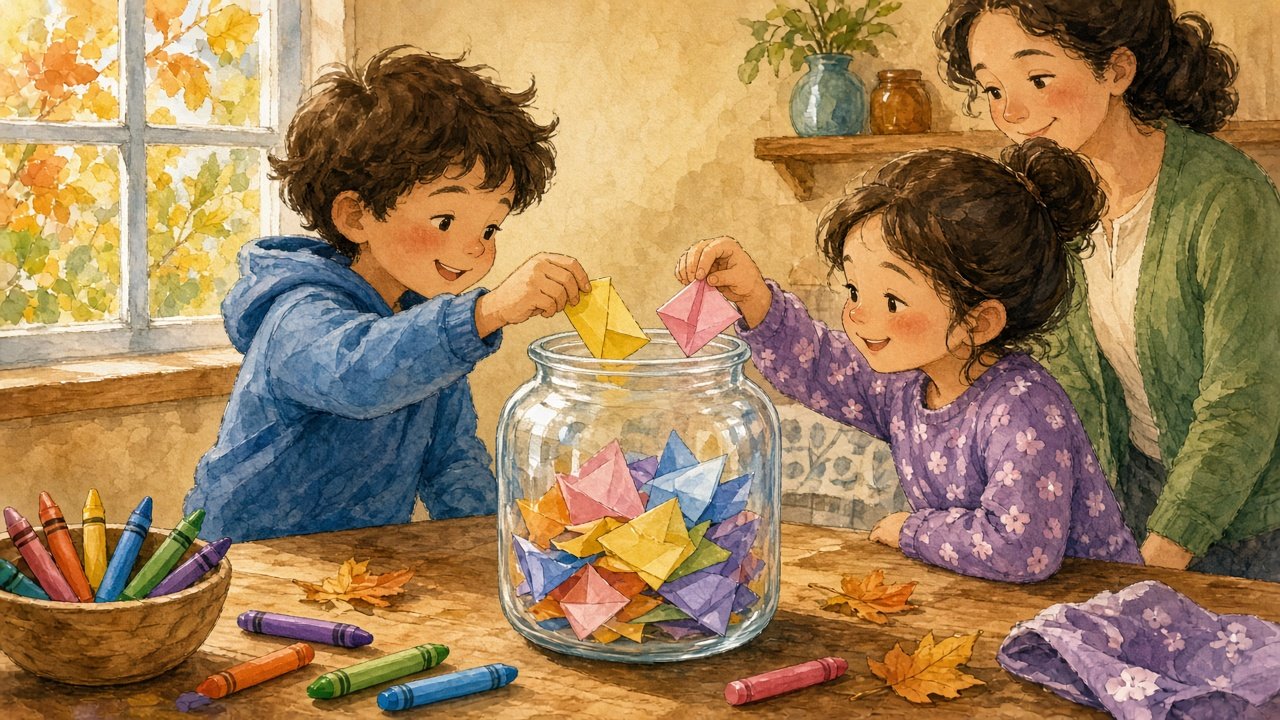
Decorate a jar together. Keep slips of paper and a pen nearby. Whenever someone feels thankful, they write it down and drop it in. Read them all together at Thanksgiving, New Year or on a gloomy day.
6. Thankful Tree
Draw a bare tree on a large sheet of paper. Each day, add a paper leaf with something you’re thankful for. By the end of the month, the tree is full of color.
7. Gratitude Collage
Give children old magazines, catalogs or printed photos. They cut out pictures of things they’re grateful for and glue them onto a poster. Hang it in their room as a happy reminder.
8. Thank-You Rocks
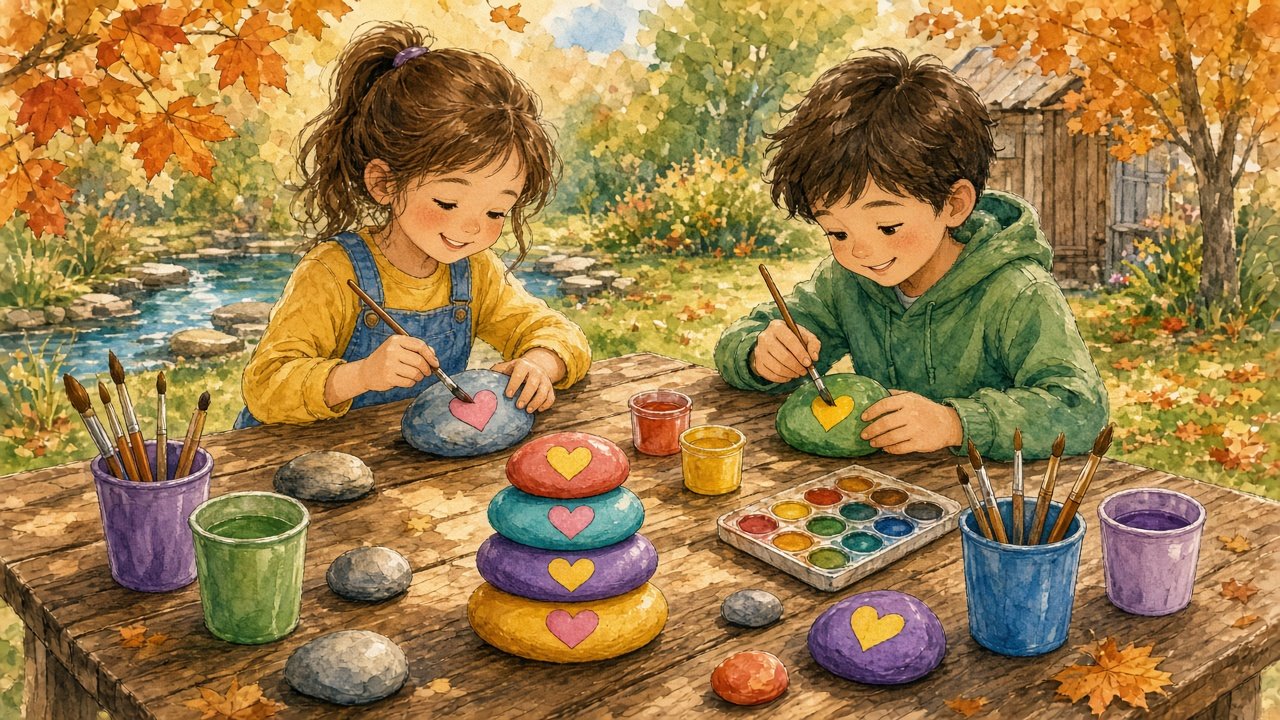
Paint smooth stones with bright colors and short words like “thanks”, “kind” or “joy”. Leave them in the garden, give them to friends, or keep one in a pocket as a “gratitude stone”.
9. Gratitude Paper Chain
Cut strips of colored paper. Each day, write one thing you’re thankful for on a strip and add it to a paper chain. Watch it grow across the room!
Gratitude Games
10. Gratitude Alphabet
Go through the alphabet together, naming something you’re thankful for with each letter. A is for apples, B is for books, C is for cousins. It’s a great car-ride game.
11. Thankful Scavenger Hunt
Create a list of prompts: something that makes you smile, something soft, something that helps you learn, something from nature. Kids hunt around the house or garden to find each item.
12. Gratitude Ball Toss
Sit in a circle and toss a soft ball. Whoever catches it shares one thing they’re grateful for before tossing it on. No repeating allowed!
13. Gratitude Bingo
Make bingo cards with squares like “Thank a teacher”, “Help with dinner”, “Say thank you to a friend” and “Notice something beautiful”. Kids mark off squares as they complete them during the week.
Gratitude in Action: Kindness Activities
Gratitude grows when children turn their thankfulness into kind actions for others.
14. Thank-You Notes for Helpers
Help your child write or draw thank-you cards for people who help them: teachers, the school bus driver, a librarian, a doctor, a mail carrier or grandparents.
15. Gratitude Walk
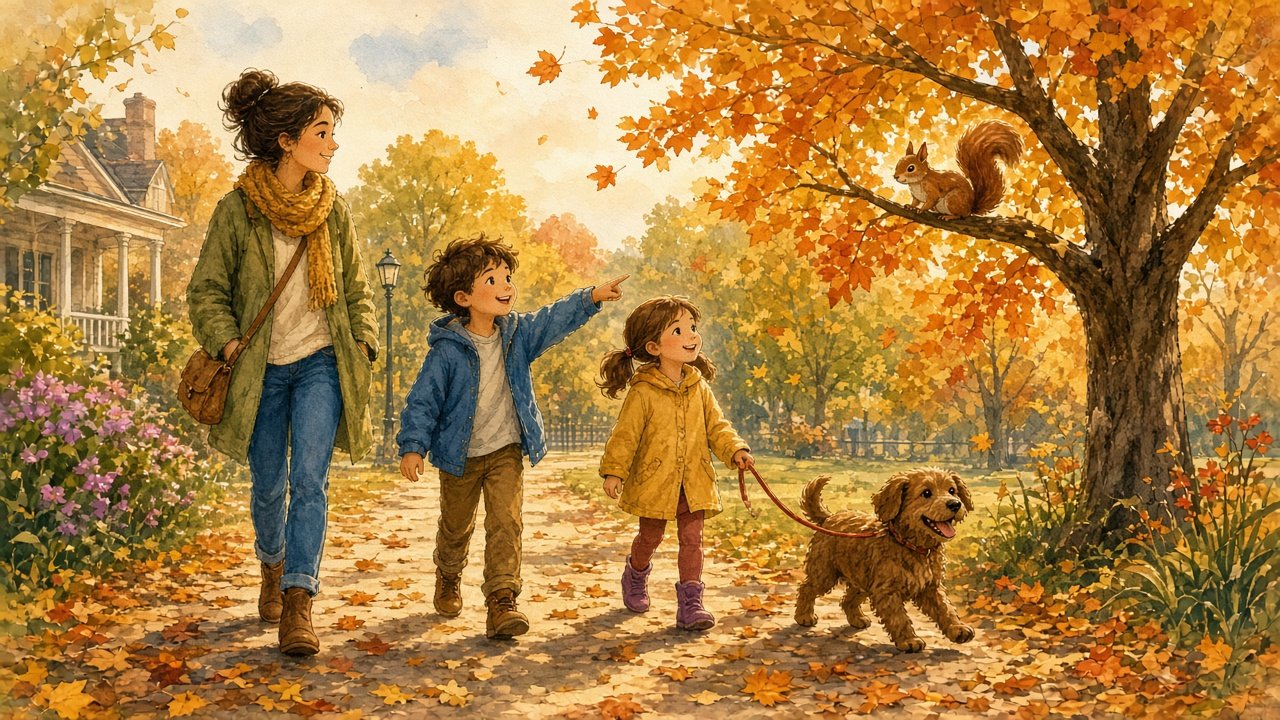
Go for a walk and take turns pointing out things you appreciate: a tall tree, a friendly dog, a pretty flower, the warm sun. It’s mindfulness and gratitude in one.
16. Donate Toys or Clothes
Before birthdays or holidays, invite children to choose a few toys or clothes they’ve outgrown to donate. Talk about how lucky we are to have enough to share.
17. Secret Kindness Mission
Challenge kids to do one secret kind thing for a family member each day: make their bed, leave a nice note, or help without being asked.
Reflection Activities for Older Kids (Ages 8–12)
18. Gratitude Letter
Ask older children to write a letter to someone who has made a big difference in their life. If they feel brave, they can read it aloud to that person. It’s a powerful experience for both of them.
19. “What If” Reflection
Ask: “What would life be like without…?” (clean water, books, friends, electricity). Thinking about what we might take for granted helps kids appreciate everyday blessings.
20. Gratitude Story Time
Read a story about thankfulness and talk about it together. Try our collection of stories about gratitude for kids, or the beautiful Japanese folktale The Crane’s Gratitude. For faith-based families, our Thanksgiving Bible verses for kids are short enough to memorize.
How to Use the Printable Gratitude Journal
Our free gratitude journal is designed for kids aged 5–12. Younger children can draw in each day’s picture box, while older kids write a sentence or two.
- 30 daily pages: each page has a prompt, a writing space and a drawing box.
- Thankful tracker: color in a heart each day you complete a page.
- Bonus pages: “People I’m Thankful For”, “My Favorite Memories” and “Thank-You Letter” templates.
Tips for success:
- Keep the journal by your child’s bed and make it part of the bedtime routine.
- Keep it short, as five minutes is plenty.
- Join in! Children copy what they see. Keep your own gratitude list, and share it with them.
- Never use the journal as a punishment or turn it into homework.
Download the 30-day printable gratitude journal (PDF) — free for personal, home and classroom use.
Best Gratitude Activities by Age
Not every activity suits every child. Use this quick guide to choose.
- Toddlers (2–3): saying thank you with a high-five, gratitude walk, pointing at photos of loved ones and saying “I love…”.
- Preschool (3–5): three good things at bedtime, thank-you rocks, gratitude ball toss, drawing in the journal.
- Early elementary (5–8): gratitude jar, paper chain, thank-you notes for helpers, gratitude alphabet, bingo.
- Older kids (8–12): gratitude letter, “what if” reflection, secret kindness mission, writing full journal entries.
A Simple 4-Week Gratitude Plan
Want to build a lasting habit? Follow this easy plan for one month. It fits perfectly into November, leading up to Thanksgiving.
Week 1: Notice
Start the gratitude journal and do “Three Good Things” every night. The goal this week is simply to notice good things.
Week 2: Create
Add a creative project: start a gratitude jar or thankful tree, and paint some thank-you rocks. Keep up the journal.
Week 3: Give
Turn gratitude outward. Write thank-you notes for helpers, try the secret kindness mission, and choose some toys to donate.
Week 4: Reflect
Read a gratitude story together, write a gratitude letter, and open the gratitude jar as a family. Talk about how the month felt and which activities your child would like to keep.
What If My Child Seems Ungrateful?
Every parent has heard “That’s not what I wanted!” at some point. Try not to worry. Young children are still learning to see things from other people’s point of view. Instead of scolding, stay calm and name the feeling (“You hoped for something different”), then gently guide them (“Grandma chose this especially for you. How could we thank her?”). Keep practicing the small habits on this list, and gratitude will grow over time.
Tips for Parents: Raising Grateful Kids
- Model it: Say “thank you” often to your children, your partner and everyone around you. Kids learn more from what we do than from what we say.
- Name it: When someone does something kind, point it out: “Wasn’t it kind of Grandma to knit you that hat?”
- Be patient: Young children are naturally focused on themselves. Gratitude grows gradually, with gentle practice.
- Make it fun: Use games, crafts and stories instead of lectures.
- Celebrate effort, not just things: Help children feel thankful for people, experiences and nature, not just presents.
Want more ideas for family time? Explore our fun kids activities for every day.
Gratitude Activities in the Classroom
Teachers can use these activities to build a kind, positive classroom culture. Start each morning with a gratitude minute, keep a class gratitude jar, or create a “Thankful Wall” where students post sticky notes. Gratitude letters make a wonderful writing assignment in November.
FAQ: Gratitude Activities for Kids
How do I teach my child to be grateful?
Start with small daily habits, such as sharing three good things at bedtime, writing thank-you notes and keeping a gratitude journal. Model gratitude yourself and make it fun rather than a lecture.
At what age can kids start practicing gratitude?
Even toddlers can begin by saying “thank you” and naming things they love. Around ages 5–7, children start to understand gratitude more deeply and can enjoy journals and thank-you notes.
What are some quick gratitude activities for the classroom?
A morning gratitude minute, the gratitude ball toss, a class thankful tree and a gratitude jar all take only a few minutes and work well with any age group.
Is the gratitude journal printable free?
Yes. The 30-day gratitude journal is free for personal, home and classroom use.